Back in Paris again on the evening of the 12th, a couple days ahead of departure for home on the 15th. The drive into Paris from Normandy was an easy three hours. Had planned to arrive earlier in the day, but ended up leaving Caen later than anticipated. The Peace Memorial Museum in Caen takes several hours to see. Found a place to park the car in Paris right in front of the apartment (miraculously). Interestingly, all parking in Paris appears to be free during the month of August. Perhaps the luck in parking was not so hard to explain, the entire city was strangely quiet. More tourists than French people--or so it seemed. Many shops were closed for the annual vacation everyone seems to take simultaneously.
Did some last-minute gift shopping--and some last-minute sightseeing. Took a look at La Madeleine, which I'd never been inside of before; looked in on the ultra-fancy stores nearby (Fauchon, Hediard, and Nicolas--the young couple in the photo above looking longingly at the tomatoes is peering in at one of the windows at Fauchon); walked around the Place de la Concorde and the Etoile; and spent most of the end of the day visiting the Musée de l'Orangerie, which I'd never seen before--despite a number of attempts in the past. On my walk back to the apartment from Trocadero station, I stopped in at the Cimètiere de Passy again for a final look at some of the famous graves there. Dinner in the evening with the same friends we saw on the first days of the trip was a nice way to end a nine-week stay in Europe.
La Madeleine is a church masquerading as a Greek temple. I thought it rather dark and depressing inside, although there's some interesting sculpture and the bronze doors are impressive. It is said to have been modeled on the Maison Carrée, which I remember seeing at Nîmes years ago. The Maison Carrée is one of the best preserved Roman-era temples in the world. The very Greek exterior of La Madeleine seems an odd way to enclose a Christian space. Its construction appears to have been very mixed up in conception from the outset, with a number of false starts and sudden changes of design in the middle of the work. While the building is a fairly coherent Greek-style temple from the outside, taken as a whole, the confusion shows.
I enjoyed seeing the Musée de l'Orangerie, and it was a good way to get out of the drizzle that had started while walking around the Place de la Concorde. I saw the bronze marker in the Place that refers to the executions during the Revolution. I see that it doesn't actually indicate the spot of any particular execution. It says merely that Place de la Concorde was the principal scene of most of the public executions that took place during the Terror. I missed the marker that indicates the starting point for the measurement of France's highways, which is supposed to be set in the pavement of the Place (at Notre Dame it was noted that distances between Paris and all other French cities are measured from the spot between the two towers of the cathedral), but the obelisk and the two large fountains were worth a look. I have ridden through the Place in taxis on a number of occasions, but had never actually walked around it.
The museum houses Monet's Nymphéas, his last major group of water lilies, painted between 1920 and his death in 1926, and (since 1965) the Jean Walter and Paul Guillaume collection of impressionist and post-impressionist works. The water lilies are displayed in two linked oval rooms preceded by an empty vestibule Monet intended as a buffer zone between the life of the city and the mood of contemplation he wanted for the paintings. The rooms are lit from above by a very pretty diffused light (again, Monet's own preference). No photograph of them from any distance can convey the feel of the paint on the canvas. In person the temptation is to walk up close to the paintings and examine every stroke of color, getting lost in the abstract patterns that emerge as the overall picture dissolves into incoherence. Just as strong is the temptation to walk backwards away from the paintings to watch the seemingly random paint marks coalesce into images of flowers on water, reflected sky, shadows of trees, and overhanging branches.
The remainder of the collection was worth seeing as well. There are quite a few paintings by Cézanne and Gauguin I'd never seen before. There are many (too many, in my view) by Renoir, works by Matisse and Picasso, and an interesting group of paintings by Chaim Soutine that I really enjoyed seeing. I've always liked his distorted, sloppy but sympathetic portraits. The collection also includes works by Derain, Rousseau, Utrillo, Laurencin, Sisley, and others. Modigliani's wonderful portrait of Paul Guillaume is here and one of the larger reclining nudes is also in the collection.
On the way home, I stopped at the Cimètiere de Passy, hoping to see a few of the famous graves there. Having enquired at the guard station and with map in hand I set off to find Claude Debussy, Gabriel Fauré, Edouard Manet, and Berthe Morisot. An older Frenchman was on his way to showing a couple from South Carolina Fauré's stone and I tagged along. I'm not sure how these three met up. The Americans just seemed to have been passing by. I asked the man if he was connected with the cemetery, because he knew it so well. He described himself as simply a man interested in history. I ended up interpreting for the couple--which was a bit of a surprise; my French, while still rudimentary, has made a lot of progress. He showed us many other famous graves, including several early French aviators, Vietnam's last emperor, and a daughter of the Shah of Iran. One of the co-founders of Renault is buried here. Members of the Lapostolle family (creators of Grand Marnier) are buried here as well (Lapostolle is a name I know in connection with wines from Chile--this is the same family). A busy but satisfying day.
Monday, August 16, 2010
Friday, August 13, 2010
On the Road (Europe 2010): St. Emilion and Normandy
A busy three days. Took a circuitous route from Pouzolles in the south back to Paris, by way of St. Emilion (near Bordeaux), the Cotentin Peninsula, the WWII Normandy landing beaches, and Bayeux. The northwest is the only part of France I’d never been to before—which is not a coincidence. Brittany and Normandy are the only parts of France that have no major wine-producing areas. Normandy is the land of galettes (savory buckwheat crepes) and cider, both of which are quite good. In Bayeaux, had an excellent galette Normande, with blood sausage, Camembert, and apples. I had hoped to stop briefly in Gauguin’s favorite Brittany town of Pont-Aven, but time didn’t permit a diversion so far west.
There was little time for much lingering anywhere, really. I just wanted to see the vines around Bordeaux again. Drove through St. Emilion, along the road that separates the vineyards of La Dominique and La Conseillante. La Dominique has long been one of my favorite St. Emilion wines. Drove also through some of the satellite villages—St. Georges and Montagne, in particular--and Pomerol. Another veritable sea of grape vines. The grapes seem late. They are just beginning to take on color.
I took the opportunity of being in a wooded area (the hotel was just on the border of Lussac and Puisseguin) to get up at around 6:30 and take a walk along a strip of trees and brush between vineyards. I got a glimpse of a Green Woodpecker and got a good look at what was either a Melodious Warbler or an Icterine Warbler—still working on that identification—but that brings my total of birds identified on this lengthy trip in Europe to 69, of which 59 have been first sightings for me.
Visiting the beaches in Normandy gave me a sense of the scale of the invasion I’ve never had before. I had not realized how big the distances are. Utah Beach is a good 15-minute drive west and north of Omaha Beach. Omaha is a comparable distance west of Gold, Juno, and Sword, which are closer together. Omaha Beach today looks like any other strip of beach on the north coast. It’s hard to imagine the events of D-Day in what is now such a peaceful place. Utah Beach has a number of fairly intact gun emplacements and pillboxes, which gives it a more visceral impact.
Perhaps most interesting was Gold Beach, near Arromanches, which was one of the two British sectors. Here the remains of Mulberry B, one of the two temporary harbors put in place to supply the Allied beachhead are easily visible. A row of prefabricated concrete caissons still sits on the beach (photo). Large concrete structures built offshore are intact enough to see where the enclosed area was (at the horizon in the photo). The peace memorial museum in Caen puts everything into perspective. Practicalities meant that we toured the beaches from west to east, but it would probably be ideal to do the opposite, visiting the Caen museum first.
Bayeux, with its beautiful cathedral and the Bayeux Tapestry (which is actually an extraordinary piece of embroidery) were a welcome relief from the somber monuments that are thick on the ground in Normandy (I also saw the famous church in St. Mere Eglise and visited the American Cemetery above Omaha Beach—this last again a strangely quiet, peaceful, and beautiful place so close to the site of past carnage below it on the beach).
I literally ran into the town of Bayeux, hoping to get a photograph or two of the cathedral façade in the beautiful late evening light after clouds had cleared. I very much liked this building—right up there with Pisa in terms of its architectural interest, and from about the same period. It was started in the 11th century, built in Norman Romanesque style but later considerably embellished with gothic decorations as the gothic style moved west and south from the Isle-de-France region. The original square towers can still be seen under the gothic spires that were added later. The vertical buttresses on the front of the towers were added to support the new spires. The decoration between the towers and elsewhere around the building, including the main west portal are all later, but the Romanesque building is there underneath it all. The entire town is rather well preserved. The Germans apparently left Bayeaux quickly, which spared it the destruction of so many other towns and villages in the area.
The Tapestry was wonderful. Having as a child heard my parents speak of their seeing it while traveling in France, I’ve always wanted to have my own look at it. It’s much longer and broader than I’d imagined. It has a wonderful rhythm. I'm sure I'm not alone in having particularly liked the scenes of eating and food preparation, the battle scenes with rows of overlapping horses, and the scenes with many ships setting off from shore. There was a lengthy wait to get in, but it was well worth it to see this extraordinarily well-preserved textile. The audio guide included in the admission price moves much too quickly (although you can pause it), but it is succinct and informative. An excellent museum. The photo here is one I took not of the original (which is forbidden--in this case rightly so; flash exposure would accelerate deterioration of the fabric) but of one of the plastic placemats they sell in the gift shop. The color of these is very close to the original (and much truer than that of the post cards for sale), and because of their large format, you can see the stitching at about life size. You wouldn't have known it was a plastic placemat if I hadn't told you.
Monday, August 9, 2010
On the road (Europe 2010): St. Guilhem-le-Desert, Collioure, St. Jean de Fos
The past three days have been spent further exploring places within day-trip range of Pouzolles. Yesterday went swimming near St. Guilhem-le-Desert, spent the day before in Colliure, near the Spanish border. The day before that, visited St. Guilhem-le-Desert for the first time. Today leaving Pouzolles for Paris and the trip home. Details to follow as I get time to write.
St. Guilhem-le-Desert is a well preserved medieval town with a monastery as its centerpiece. The town is a UNESCO World Heritage Site and it is on the list of "The Most Beautiful Villages of France." Hadn't really intended to go, but stopped off on the way to somewhere else, lured by a sign referring to Pont du Diable, or "The Devil's Bridge," about which I knew nothing.
There is a substantial parking lot and remarkably modern and well equipped visitors' center above the bridge (selling local produce and with a wine-tasting bar, information center, gift shop, and clean toilets), a fair walk from the bridge itself (which is not visible until you're right on top of it). Having parked, not sure what to expect, I was reminded of stories of people lining up in the old Soviet Union to buy things without knowing what was for sale, simply on the assumption that it would be something worth having if people were lining up for it (which wasn't always true, I've been told). The medieval arched bridge just outside town is rather spectacularly sited in a gorge. It turned out to be worth a look.
Doing a little research, I see there are "devil bridges" all over Europe. They are typically medieval and built in places remote or difficult of access requiring considerable technical skill to complete. A variety of legends attach to them, but they are usually said to have been built with the help of the devil--or, sometimes, in spite of the devil's attempts to thwart their construction. This one, spanning a deep gorge cut by the Herault River, was built in the early 11th century by Benedictines to connect the abbeys at Aniane and Saint Guilhem-le-Desert. It is part of the Way of St. James (El Camino de Santiago in Spanish, Chemin de St. Jacques in French) pilgrimage route to Spain, the medieval road to the Cathedral of Santiago de Compostela in northwestern Spain, where the remains of St. James are said to be buried.
Two days later, we came back, this time lured by the swimming and kayaking. It was great fun jumping off the rocks along the gorge into the deep, cool water--deliciously cool. I dived from rocks perhaps 10 feet high. The local children happily jump from places two or three times higher. A few daredevils were jumping from nooks still higher in the rocks. The water must be at least 30 or 40 feet deep. Look again at the photo of the bridge above. Notice the boy in mid-air just to the left of the bridge support. He's jumping down to the level of the kayaks.
After swimming and kayaking, visited the town next door, St. Jean de Fos (there sure are a lot of saints and a lot of towns named after them in France), which happened to be having a pottery festival. Many potters live and work in the town. There was a wide variety on offer, mostly new work, but one or two vendors were selling antique pottery. I was tempted by old cheese cups--little glazed clay pots with holes in them for separating curds and whey, They were beautiful little sculptures, but what was I really going to do with these things? I resisted.
Colliure was beautiful. I wanted to see this little resort town nearly on the Spanish border because I have seen so many paintings of it--painted by Matissse, Derain, Dufy, Braque, Picasso, Foujita, Charles Rennie Mackintosh and others. It's easy to see what attracted them all--the beautiful beaches, the cafés overlooking the bay, the excursion ships, the fortifications, and the vineyards terraced on the hills above the town. Everywhere you look is a picture. The town's centerpiece is the lighthouse converted into a church (pictured). Parking is tough, but it's worth the walk into town.
In Colliure, had some of the best ice cream I've ever had in my life. I had a scoop of vanilla with a scoop of violet on top--and it really tasted of violets. Rich, creamy, and powerfully flavored. Everything they had was delicious--I sampled a few other flavors. The shop is called Saveurs d'Antan. If you happen to read this and find yourself in Colliure, look for it.
St. Guilhem-le-Desert is a well preserved medieval town with a monastery as its centerpiece. The town is a UNESCO World Heritage Site and it is on the list of "The Most Beautiful Villages of France." Hadn't really intended to go, but stopped off on the way to somewhere else, lured by a sign referring to Pont du Diable, or "The Devil's Bridge," about which I knew nothing.
There is a substantial parking lot and remarkably modern and well equipped visitors' center above the bridge (selling local produce and with a wine-tasting bar, information center, gift shop, and clean toilets), a fair walk from the bridge itself (which is not visible until you're right on top of it). Having parked, not sure what to expect, I was reminded of stories of people lining up in the old Soviet Union to buy things without knowing what was for sale, simply on the assumption that it would be something worth having if people were lining up for it (which wasn't always true, I've been told). The medieval arched bridge just outside town is rather spectacularly sited in a gorge. It turned out to be worth a look.
Doing a little research, I see there are "devil bridges" all over Europe. They are typically medieval and built in places remote or difficult of access requiring considerable technical skill to complete. A variety of legends attach to them, but they are usually said to have been built with the help of the devil--or, sometimes, in spite of the devil's attempts to thwart their construction. This one, spanning a deep gorge cut by the Herault River, was built in the early 11th century by Benedictines to connect the abbeys at Aniane and Saint Guilhem-le-Desert. It is part of the Way of St. James (El Camino de Santiago in Spanish, Chemin de St. Jacques in French) pilgrimage route to Spain, the medieval road to the Cathedral of Santiago de Compostela in northwestern Spain, where the remains of St. James are said to be buried.
Two days later, we came back, this time lured by the swimming and kayaking. It was great fun jumping off the rocks along the gorge into the deep, cool water--deliciously cool. I dived from rocks perhaps 10 feet high. The local children happily jump from places two or three times higher. A few daredevils were jumping from nooks still higher in the rocks. The water must be at least 30 or 40 feet deep. Look again at the photo of the bridge above. Notice the boy in mid-air just to the left of the bridge support. He's jumping down to the level of the kayaks.
After swimming and kayaking, visited the town next door, St. Jean de Fos (there sure are a lot of saints and a lot of towns named after them in France), which happened to be having a pottery festival. Many potters live and work in the town. There was a wide variety on offer, mostly new work, but one or two vendors were selling antique pottery. I was tempted by old cheese cups--little glazed clay pots with holes in them for separating curds and whey, They were beautiful little sculptures, but what was I really going to do with these things? I resisted.
Colliure was beautiful. I wanted to see this little resort town nearly on the Spanish border because I have seen so many paintings of it--painted by Matissse, Derain, Dufy, Braque, Picasso, Foujita, Charles Rennie Mackintosh and others. It's easy to see what attracted them all--the beautiful beaches, the cafés overlooking the bay, the excursion ships, the fortifications, and the vineyards terraced on the hills above the town. Everywhere you look is a picture. The town's centerpiece is the lighthouse converted into a church (pictured). Parking is tough, but it's worth the walk into town.
In Colliure, had some of the best ice cream I've ever had in my life. I had a scoop of vanilla with a scoop of violet on top--and it really tasted of violets. Rich, creamy, and powerfully flavored. Everything they had was delicious--I sampled a few other flavors. The shop is called Saveurs d'Antan. If you happen to read this and find yourself in Colliure, look for it.
Friday, August 6, 2010
Wines I'm Drinking: 2009 Les Coteaux des Berlou Saint Chinian "Schisteil Blanc"
Tonight I tasted the 2009 Schisteil Blanc Saint Chinian from Les Coteaux des Berlou, a tiny cooperative in the tiny town of Berlou, about 35 minutes north of Pouzolles, where I've been living for the summer. Berlou is one of the villages in the Saint Chinian appellation. This cooperative also makes a wonderful rosé and (in my view) a less interesting red wine. Notes follow.
A pale straw color. Smells like a vegetable stew in a rich tomato sauce, laced with creme--perhaps with a squeeze of lime in it--which is perhaps an odd thing for a white wine to smell like, but it works. Perhaps it would be better to say "stewed tomatoes and lime," but this immediately reminded me of a wonderful rabbit stew recipe from Paul Bocuse that comes in a vegetable-rich tomato-based sauce and is meant to be served with a dollop of cream in it. Later it began to smell of honey with a hint of roasted meat.
At first, the wine seems delicate on the palate--mostly just clean and crisp--but the initial acidity falls away quickly to reveal a solid core of fruit, tending toward pears and citrus, and there's even a hint of tannin. Good length. A white wine with grip. A wave of subtler acidity comes back on the extended finish, with little bursts of grapefruit-like flavors on the very end. This is a delicious blend of Grenache Blanc, Rousanne, and Marsanne. Delightful. A bargain at about €5 a bottle (less than $6 a bottle). Why can't California wineries produce delicious wines like this at prices like this? A wine of this caliber in California would typically sell in the $17-$24 range--three to four times as much.
A pale straw color. Smells like a vegetable stew in a rich tomato sauce, laced with creme--perhaps with a squeeze of lime in it--which is perhaps an odd thing for a white wine to smell like, but it works. Perhaps it would be better to say "stewed tomatoes and lime," but this immediately reminded me of a wonderful rabbit stew recipe from Paul Bocuse that comes in a vegetable-rich tomato-based sauce and is meant to be served with a dollop of cream in it. Later it began to smell of honey with a hint of roasted meat.
At first, the wine seems delicate on the palate--mostly just clean and crisp--but the initial acidity falls away quickly to reveal a solid core of fruit, tending toward pears and citrus, and there's even a hint of tannin. Good length. A white wine with grip. A wave of subtler acidity comes back on the extended finish, with little bursts of grapefruit-like flavors on the very end. This is a delicious blend of Grenache Blanc, Rousanne, and Marsanne. Delightful. A bargain at about €5 a bottle (less than $6 a bottle). Why can't California wineries produce delicious wines like this at prices like this? A wine of this caliber in California would typically sell in the $17-$24 range--three to four times as much.
Thursday, August 5, 2010
On the road (Europe 2010): The River Orb and Berlou
Been exploring the area north and west of Pouzolles in the past couple of days, in between bouts of work. The valley of the Orb river is rather picturesque and offers such recreation as kayaking and rafting. Many people swim there and dive from the convoluted rock formations that line the shore. I was rather impressed by the children doing back flips from rocks 20-30 feet high. The water is deep and fast in places and somewhat murky. I haven't seen anyone fishing there, but there are quite a few fish in the water, too. Very pretty and an interesting change from swimming in the sea. I think the last time I went swimming in a river was probably around 1974, in the Little Miami, near Yellow Springs, Ohio.
Driving through the hills in the area, heading for the town of Berlou, hit a detour. A temporary route took us virtually to the doorstep of the Les Coteaux de Berlou. Coincidentally, this is the cooperative that made the very tasty Schisteil brand rosé I tasted a couple of weeks ago. The people in the tasting room were friendly and helpful. They seemed surprised that I had been looking for their wine--although I see that the 2009 vintage has won a gold medal in the 2010 Paris Concours Général. I tasted the 2007 (review here). Both are excellent. I picked up a few bottles to leave for the owner of the house here and a couple bottles of the white, which is a tasty blend of Grenache Blanc, Rousanne, and Marsanne.
Looking for birds, yesterday I spent a couple of hours walking in the hills around Pousselieres and La Fraise. This is beautiful country. Pousselieres is just two or three houses. The tiny road that leads to the hamlet off the D612 passes through La Fraise and La Treille on its way to Berlou. An unpaved road (marked AVA4, the meaning of which remains obscure to me) leading from the road to Pousselieres rises eventually to a summit that gives a panoramic view.
The rocky unpaved road is lined with dense mixed forest--mostly chestnuts, oaks, and pines--but here and there there are clearings carpeted in heather and bracken and spotted with small trees. These open areas seemed perfect habitat for birds (especially the sections marked AVA1 on the ridge at the top), but there were comparatively few, and the birds I did see were generally shy or distant or both. I saw a couple of uncertain warblers, what I believe to have been a yellow wagtail (although apparently not the local race of this highly variable bird; the one I saw had a mostly yellow head, typical of the flavissima subspecies), and three or four of what I believe to have been wrynecks. I've added only the wagtail to my list, though, as I like to be certain. Another frustrating day of birdwatching, but the hills were beautiful. From what I can tell from maps, this area is close to the divide between the Atlantic and Mediterranean watersheds. At the top of the dirt road, I came to markers erected by the Office National des Forêts indicating "Route Forestière: Des Crêtes" and one indicating I was in the Forêt Domaniale des Avant-Monts. Besides myself, not a soul in the place--just the wind.
Driving through the hills in the area, heading for the town of Berlou, hit a detour. A temporary route took us virtually to the doorstep of the Les Coteaux de Berlou. Coincidentally, this is the cooperative that made the very tasty Schisteil brand rosé I tasted a couple of weeks ago. The people in the tasting room were friendly and helpful. They seemed surprised that I had been looking for their wine--although I see that the 2009 vintage has won a gold medal in the 2010 Paris Concours Général. I tasted the 2007 (review here). Both are excellent. I picked up a few bottles to leave for the owner of the house here and a couple bottles of the white, which is a tasty blend of Grenache Blanc, Rousanne, and Marsanne.
Looking for birds, yesterday I spent a couple of hours walking in the hills around Pousselieres and La Fraise. This is beautiful country. Pousselieres is just two or three houses. The tiny road that leads to the hamlet off the D612 passes through La Fraise and La Treille on its way to Berlou. An unpaved road (marked AVA4, the meaning of which remains obscure to me) leading from the road to Pousselieres rises eventually to a summit that gives a panoramic view.
The rocky unpaved road is lined with dense mixed forest--mostly chestnuts, oaks, and pines--but here and there there are clearings carpeted in heather and bracken and spotted with small trees. These open areas seemed perfect habitat for birds (especially the sections marked AVA1 on the ridge at the top), but there were comparatively few, and the birds I did see were generally shy or distant or both. I saw a couple of uncertain warblers, what I believe to have been a yellow wagtail (although apparently not the local race of this highly variable bird; the one I saw had a mostly yellow head, typical of the flavissima subspecies), and three or four of what I believe to have been wrynecks. I've added only the wagtail to my list, though, as I like to be certain. Another frustrating day of birdwatching, but the hills were beautiful. From what I can tell from maps, this area is close to the divide between the Atlantic and Mediterranean watersheds. At the top of the dirt road, I came to markers erected by the Office National des Forêts indicating "Route Forestière: Des Crêtes" and one indicating I was in the Forêt Domaniale des Avant-Monts. Besides myself, not a soul in the place--just the wind.
Miscellaneous: Senate Approves Kagan
I see that the Senate has just voted to approve Elena Kagan as the newest justice on the Supreme Court. Politics aside, I'm pleased to see three women serving on the court simultaneously. Considering that at least about half the country is female, there ought to be more women serving, but this seems a step forward to me. Congratulations, Elena.
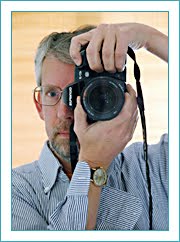
I wish it were easier to find the appropriate credits for photos like these....
Tuesday, August 3, 2010
Wines I'm Drinking: Four Saint Chinian Rosés
Last night I tasted four Saint Chinian rosés. I enjoyed all four. Having now tasted about 15 rosés from the area where I'm staying for the summer (Pouzolles, France), I've come to the conclusion that the best rosés in the area come from this appellation. These dry wines are generally marked by a good balance between raspberry-like fruitiness and crisp acidity, often with toasted, brandy-like undertones and scents and flavors suggestive of pastry or crème brulée. Focusing on rosé has been the natural result of the extremely hot weather here, although that has moderated in the past week or so. I tasted the four wines blind. Notes follow.
2009 Château St. Martin des Champs Saint Chinian Rosé
A pale to medium-deep, orange-tinged pink. Attractive nose suggestive of hawthorne blossoms, crème brulée, and (distantly) plums. Having said that, none of the scents jump out at you. Still, the overall impression is fresh and inviting. Initially seems rather tart on the palate, but has presence. Good, plummy fruit sweetness offsets the acidity. Good length, and the lingering fruit ultimately makes the wine seem harmonious. Very tasty. Clean, fresh, delicious wine. Priced at €5.30 a bottle.
2008 Cave de Roquebrun Saint Chinian Rosé "Col de Lairole"
2008 Cave de Roquebrun Saint Chinian Rosé "Terrasses de Cabrio"
Deepest in color of the four wines--looking almost like brandy--but with pink undertones. A very pretty wine to look at. Surprisingly distant on the nose. Something doughy at first. Later developed toasted, roasted scents. Pastry. Sweet potato pie. Drier, less fruity, and softer than some of the other wines, and shorter as well, despite the deep color, but with a little time, this opens up to seem richer and fuller--and these are all relative terms. Another tasty Saint Chinian rosé. Priced at €6.04 a bottle, perhaps not the best value of the bunch, but even that is cheap by US standards. You'd be hard-pressed to find a California rosé as good at this price point (about $7.00).
2009 Château St. Martin des Champs Saint Chinian Rosé
A pale to medium-deep, orange-tinged pink. Attractive nose suggestive of hawthorne blossoms, crème brulée, and (distantly) plums. Having said that, none of the scents jump out at you. Still, the overall impression is fresh and inviting. Initially seems rather tart on the palate, but has presence. Good, plummy fruit sweetness offsets the acidity. Good length, and the lingering fruit ultimately makes the wine seem harmonious. Very tasty. Clean, fresh, delicious wine. Priced at €5.30 a bottle.
2008 Cave de Roquebrun Saint Chinian Rosé "Col de Lairole"
Comparatively deep in color--the second-deepest of these four wines. A medium-deep orange-pink. Very pretty to look at in a chilled glass. Complex nose. Something floral, but something that reminded me of vegetables as well--in a good way. Fresh, raw beans. Pie crust scents as well. Somewhat softer than the first wine (that is, less acidic), but with a nice "bite" suggestive of a little tannin. Refreshing strawberry fruitiness and a tasty hint of bitterness on the finish. Seems a bit rustic compared with the wine above, but another delicious summer wine, and attractively priced at only €4.16 a bottle.
2009 Domaine La Maurine Rouge Saint Chinian Rosé
The palest in color of these four wines, tending more toward pink than orange. Interesting petroleum-like scent, reminiscent of certain Riesling wines. Rose water. A hint of gooseberries and passion fruit. Rather interesting nose. Quite rich with intense, fruity sweetness on the palate (although the wine is quite dry). Suggests red raspberries and roses. Passion fruit again on the palate as well. A hint of tannin. Moderately long, prickly, fruity finish. Enough acidity to balance the fruit, but softer than many of the rosés I've been tasting. Overall, very refreshing and enjoyable, if not profound. €5.30 a bottle.
Deepest in color of the four wines--looking almost like brandy--but with pink undertones. A very pretty wine to look at. Surprisingly distant on the nose. Something doughy at first. Later developed toasted, roasted scents. Pastry. Sweet potato pie. Drier, less fruity, and softer than some of the other wines, and shorter as well, despite the deep color, but with a little time, this opens up to seem richer and fuller--and these are all relative terms. Another tasty Saint Chinian rosé. Priced at €6.04 a bottle, perhaps not the best value of the bunch, but even that is cheap by US standards. You'd be hard-pressed to find a California rosé as good at this price point (about $7.00).
On the road (Europe 2010): Roquebrun
Yesterday, after a morning of work, took a short drive north, to the town of Roquebrun. Perched on a hillside overlooking the River Orb and the vineyards of the Saint Chinian appellation, it's a pretty town topped by the ruins of a 10th century tower. An attractive old bridge takes the road over the river and into the town, which has some interesting stone buildings surviving in the back streets. Many of these use the local schist and slate as building materials.
Took a walk up the steep hill toward the tower to the Jardin Méditerranéen, a small botanical garden on the terraced slopes below (and above) the tower that features plants from the Mediterranean region and places with similar climates around the world. The €5 entrance fee seemed a bit steep, but was probably worth it--more for the view than for the plants, most of which will be quite familiar to anyone who has ever visited a good nursery on the US West Coast. There's an excellent view of the old tower (which is actually in the gardens) and the whole surrounding valley of the Orb.
Monday, August 2, 2010
Wines I'm Drinking: Four More Languedoc Rosés
Continuing my quest to taste as many of the local rosé wines as I can while staying in Pouzolles, last night I compared four from producers within a stone's throw of the house (within about 15 minutes driving). I've tasted a wide range already in the past weeks. The best have been very good indeed--generally a deep orange-pink, rich and toasty but fruity and crisp. The worst have been pale and watery and exceedingly acidic. Unfortunately, these four wines were mostly of the latter type, but I report on the disappointments as well as the pleasant surprises. I tasted the four wines blind because one was a gold medal winner at the 2010 Paris Concours Géneral Agricole. I didn't want to be influenced by that knowledge. Notes follow.
2009 Domaine Moulin de Lène, Alphonse de Lène Rosé
A very pale pink blend of Cinsault and Grenache, this is a Vin de Pays d'Oc. Very pale, indeed. At certain angles and in the right light, it would be hard to tell it from water. Rather neutral on the nose but with some earthy scents. Something metallic about the nose as well. Not very forthcoming, but not unpleasant. Medium body on the palate. Fairly good length. Tart, fresh, and drinkable, but ultimately thin and not very distinctive. Inexpensive at only €3.6 a bottle. This was not especially interesting, but it turned out to be one of the better wines of the bunch.
2008 Domaine de la Reynardière Vin de Pays des Coteaux de Murviel Rosé
A pretty, medium orange-pink. The color was this wine's most attractive attribute. I don't know what went wrong here, but it took courage to taste this after smelling it. It had a strange, fishy nose. It reminded me of slime at the bottom of a pond. I can think of nothing else to describe it. The smell persisted. It didn't seem to be the fleeting, temporary stink some bottles have. The wine tasted better than it smelled. It had fairly good body and length, but was rather sharp and there was something of the smell of the wine in the taste. I didn't, however, get the impression this was spoiled. €2.89 a bottle. No indication of what grapes it was made from. I kept the wine. Remarkably, tasting it the following day (today), the stink was completely gone. The wine had very attractive strawberry scents and it was delicious, also tasting like ripe strawberries. It accompanied pasta with lunch. In the end, I liked this wine best of the four. What's going on here? Hmmm.....
2009 Domaine Saint Martin des Champs Vin de Pays d'Oc Cabernet Rosé
Another reason I wanted to taste the wines blind was that one of the four, this one, was a Cabernet rosé. I was curious to know whether it would stand out. Another pale orange-pink wine, but deeper in color than many. Fairly neutral on the nose, but with hints of something grassy--like a Sauvignon Blanc--, which gave this away as the Cabernet wine. Watermelon, and something metallic on the nose, too. On the palate, it came across as simply light, tart, and refreshing but without any particularly defining characteristics. Not at all unpleasant, but not distinctive. €3.60 a bottle.
2009 Cave de Roquebrun Vin de Pays de la Haute Vallée de l'Orb "Terres d'Orb" Rosé
Another wine from the Cave de Roquebrun, which has made some of the best wines from the immediate area that I've tasted so far. This is the gold medal winner. Medium to pale orange pink. Attractive caramel and straw scents, later it began to smell like fresh cucumber. Fuller and with more body than the other wines. Also softer--with less of the sharp acidity that seems to characterize the most ordinary rosés of the region (especially those made from Cinsault, it seems). This wine is 35% Carignan, 25% Cinsault, 25% Grenache, and 15% Syrah. All that sounds promising, but the wine had little flavor to speak of. It came across as fairly alcoholic and tart. €3.10 a bottle.
2009 Domaine Moulin de Lène, Alphonse de Lène Rosé
A very pale pink blend of Cinsault and Grenache, this is a Vin de Pays d'Oc. Very pale, indeed. At certain angles and in the right light, it would be hard to tell it from water. Rather neutral on the nose but with some earthy scents. Something metallic about the nose as well. Not very forthcoming, but not unpleasant. Medium body on the palate. Fairly good length. Tart, fresh, and drinkable, but ultimately thin and not very distinctive. Inexpensive at only €3.6 a bottle. This was not especially interesting, but it turned out to be one of the better wines of the bunch.
2008 Domaine de la Reynardière Vin de Pays des Coteaux de Murviel Rosé
A pretty, medium orange-pink. The color was this wine's most attractive attribute. I don't know what went wrong here, but it took courage to taste this after smelling it. It had a strange, fishy nose. It reminded me of slime at the bottom of a pond. I can think of nothing else to describe it. The smell persisted. It didn't seem to be the fleeting, temporary stink some bottles have. The wine tasted better than it smelled. It had fairly good body and length, but was rather sharp and there was something of the smell of the wine in the taste. I didn't, however, get the impression this was spoiled. €2.89 a bottle. No indication of what grapes it was made from. I kept the wine. Remarkably, tasting it the following day (today), the stink was completely gone. The wine had very attractive strawberry scents and it was delicious, also tasting like ripe strawberries. It accompanied pasta with lunch. In the end, I liked this wine best of the four. What's going on here? Hmmm.....
2009 Domaine Saint Martin des Champs Vin de Pays d'Oc Cabernet Rosé
Another reason I wanted to taste the wines blind was that one of the four, this one, was a Cabernet rosé. I was curious to know whether it would stand out. Another pale orange-pink wine, but deeper in color than many. Fairly neutral on the nose, but with hints of something grassy--like a Sauvignon Blanc--, which gave this away as the Cabernet wine. Watermelon, and something metallic on the nose, too. On the palate, it came across as simply light, tart, and refreshing but without any particularly defining characteristics. Not at all unpleasant, but not distinctive. €3.60 a bottle.
2009 Cave de Roquebrun Vin de Pays de la Haute Vallée de l'Orb "Terres d'Orb" Rosé
Another wine from the Cave de Roquebrun, which has made some of the best wines from the immediate area that I've tasted so far. This is the gold medal winner. Medium to pale orange pink. Attractive caramel and straw scents, later it began to smell like fresh cucumber. Fuller and with more body than the other wines. Also softer--with less of the sharp acidity that seems to characterize the most ordinary rosés of the region (especially those made from Cinsault, it seems). This wine is 35% Carignan, 25% Cinsault, 25% Grenache, and 15% Syrah. All that sounds promising, but the wine had little flavor to speak of. It came across as fairly alcoholic and tart. €3.10 a bottle.
Sunday, August 1, 2010
On the road (Europe 2010): Millau, Roquefort, Lacaune, Gabian
About half an hour to the southwest is the town of Roquefort-sur-Soulzon, the famous cheese town. Funny what you can learn about things when you visit the place they come from. After two cave tours (with tastings) I came away knowing that the Roquefort appellation is one of the smallest in France. Only cheese matured in caves near the town (mostly under the town, it seems) in an area 1.2 kilometers long, 300 meters wide, and 300 meters deep can be called Roquefort. The Penicillium roqueforti mold (yes, related to the penicillin mold) is introduced into the milk to insure uniform distribution. I had thought it was introduced later, but it turns out the holes you see in the cheese (not the naturally formed ones between the chunks of curd, but the skinny man-made ones) are to introduce air, not the mold, which is grown on rye bread (80% rye, 20% wheat) from which spores are collected.
The caves were downright cold--bring warm clothing. It was interesting to see the fleurines, the underground air passages that move cool air through the network of caves that formed here about 200 million years ago, when an entire mountain (the Combalou) collapsed, leaving a huge pile of rock riddled with holes. Air moving underground through the tunnels and caves is used to maintain the temperatures required to mature the cheese. The tours were a bit disappointing actually, as you can't see any of the activities that lead up to the formation of the "loaves" of cheese (just the maturation caves), but it was interesting nevertheless. The best advertised tour is at Société. It costs €3.5 a person, but the free tour at Papillon was as informative and shorter, without the various multi-media sections of the Société tour--which was a good thing. Having said that, I preferred the cheese at Société for its exceptionally creamy texture, and one fancy section of the tour does show clearly how the caves formed using a large animated model. Both tours were in French only, but detailed explanations are provided in print in English and a number of other languages.
Drove home by way of narrow mountain roads, passing through such towns as Lacaune, Olargues, and Gabian. The roads here are beautiful--mostly the D33, D607, D907, D14, D908, D909, and D13, with many vista points overlooking deep, wooded valleys, and (as you head east and south into the lower elevations) vineyards. In the town of Lacaune (officially Lacaune-les-Bains), many of the houses have old-fashioned slate tile roofs, most made from obviously hand-cut slate. But not only are many of the roofs covered with slate, many buildings had whole walls black with slate siding--which I've never seen before. Some of the wines of the area are known for the schist-rich soils the grapes grow in. I imagine slate is easily mined in the area too. The tiles are held on with little iron hooks. Do the black tiles keep the houses cool?
Lacaune had an amusing fountain, with four men pissing. There was a plaque mounted below calling it one of the fountains on the "pissing fountain circuit," so there must be more pissing fountains in other towns nearby, but the plaque neglected to say where. According to the plaque, the fountain dates to the 16th century. Next to the fountain was a large granite basin divided into sections that appears to have been used by the people of the village to wash their clothes when this was probably their main source of water. The water is potable. All this was in an attractive little square with a row of purple-leaved plum trees.
Further south and east, where the D14 crosses a summit called Col de Fontfroide, there is a somewhat puzzling memorial--puzzling mostly because my French was not good enough to understand everything it said. It's dedicated to the WWII resistance fighters of the area. That much was clear (perhaps they hid out in these hills?), but it included an urn of ashes from Auschwitz and a piece of barbed wire from Treblinka, and there were references to deportations during the war, but it wasn't really clear to me what the connection between the hilltop and the concentration camps was.
It was pretty countryside. The hills were covered mostly in conifers, heather (purple and pink in bloom), and a broom-like plant with vivid yellow-green, needle-like leaves. There was a dirt road leading along a stand of pine trees from the memorial up and over a hillock at the summit (marked 972 meters, or 3,189 feet). Walking along this road I heard many birds, but they mostly kept themselves hidden in the vegetation. The exception was a rather vocal fellow that called incessantly while flitting among the tops of the trees. He turned out to be a European Tree Pipit (Anthus trivialis), another new bird for me.
Friday, July 30, 2010
Wines I'm drinking: Cantina del Vermentino 2008 Vermentino di Gallura "Arakèna"
Last night I opened one of two bottles of the Arakèna bottling of Vermentino di Gallura I purchased at Cantina del Vermentino, in Monti, in Sardinia's premier wine-growing region of Gallura. In an earlier post I noted that the best Vermentino wine I encountered while in Sardinia was the Funtanaliras from the same cooperative. Arakèna is the Cantina's high-end vendemmia tardiva (late harvest) Vermentino, but this is fermented into a strong (14%) almost completely dry wine (there is just a hint of residual sugar).
Compared with the delicate, light Funtanaliras, the Arakèna is weighty. Aged in oak (the Funtanaliras is made in stainless steel) and made from riper grapes, it's more perfumed on the nose and more substantial on the palate, but both wines are delicious. The pale gold color does not quite prepare you for the suite of scents coming out of the glass. Something suggested olive brine at first. There were hints of pears, candied fruit or fruit cake, cherries, and even something vaguely smoky. Later I started detecting roses, passion fruit, brown sugar, and a dried apricot scent that put me in mind of a fine Riesling from the Moselle.
On the palate, however, the wine was more suggestive of a good wine from Alsace in its combination of powerful scents and flavors in a dry style of winemaking. In fact, served blind, I'd bet that most experienced wine drinkers would fairly confidently call this a Gewürztraminer from Alsace. Long, concentrated, rich, and delicious, with just enough acidity to keep things fresh. I very much enjoyed the wine with grilled shrimp and pan-fried, breaded baby mackerel. Dry enough to pair with seafood, but with the presence to stand on its own as an aperitif wine. However you drink it, it's excellent. Highly recommended. I had the privilege of buying this directly from the producer for an exceedingly reasonable €11 euros or so (roughly $12). Various retailers in Europe are selling it for €15-25 a bottle, however, suggesting you might expect to pay around $30 for it in the US, if you can find it. It's worth looking for.
To see more wine reviews, use the "Wines I'm Drinking" label to the right at the top of the page.
Compared with the delicate, light Funtanaliras, the Arakèna is weighty. Aged in oak (the Funtanaliras is made in stainless steel) and made from riper grapes, it's more perfumed on the nose and more substantial on the palate, but both wines are delicious. The pale gold color does not quite prepare you for the suite of scents coming out of the glass. Something suggested olive brine at first. There were hints of pears, candied fruit or fruit cake, cherries, and even something vaguely smoky. Later I started detecting roses, passion fruit, brown sugar, and a dried apricot scent that put me in mind of a fine Riesling from the Moselle.
On the palate, however, the wine was more suggestive of a good wine from Alsace in its combination of powerful scents and flavors in a dry style of winemaking. In fact, served blind, I'd bet that most experienced wine drinkers would fairly confidently call this a Gewürztraminer from Alsace. Long, concentrated, rich, and delicious, with just enough acidity to keep things fresh. I very much enjoyed the wine with grilled shrimp and pan-fried, breaded baby mackerel. Dry enough to pair with seafood, but with the presence to stand on its own as an aperitif wine. However you drink it, it's excellent. Highly recommended. I had the privilege of buying this directly from the producer for an exceedingly reasonable €11 euros or so (roughly $12). Various retailers in Europe are selling it for €15-25 a bottle, however, suggesting you might expect to pay around $30 for it in the US, if you can find it. It's worth looking for.
To see more wine reviews, use the "Wines I'm Drinking" label to the right at the top of the page.
Thursday, July 29, 2010
Birds I'm Watching: Where Have All the Swifts Gone? (and Other Topics)
Having arrived in London June 7, I've been in Europe for going on two months now, with three weeks to go. I had hoped to add 100 birds to my life list this summer, but so far have seen only 52 (see below). Birds have been relatively few and far between here--which is somewhat surprising. In habitats that would be rich with birds in Sonoma County, California (home) there is often little activity here-- notably, at the coast. Still, 52 isn't bad. I've averaged almost one new bird every day. The Camargue area and Sardinia have been the best sites, so far.
In total, I have seen 64 species I've been able to identify. I've seen about 10 more I've been unable to figure out. I'm working on another five or six from photographs I've taken--for example, the terns shown here. I'm pretty sure these are Common Terns, but I try never to add anything to my lists unless I'm certain.
[Update: I've now decided these are Common Terns, which raises my total of species identified in Europe to 65. Further update: On July 31, I added the Tree Pipit to my list for Europe, so now 66, of which 54 have been life birds. On August 4, added Yellow Wagtail, for totals of 67 and 55. On August 11, I added Green Woodpecker and Melodious Warbler (or possibly Icterine Warbler) for totals of 69 and 57.]
New birds (new to me, that is) I've identified so far: Great Crested Grebe, Great Cormorant, Little Egret, Squacco Heron, Gray Heron, Purple Heron, Greater fFamingo, Eurasian Spoonbill, Common Pochard, Eurasian Coot, Common Tern, Black-winged Stilt, Common Sandpiper, Black-headed Gull, Greater Black-backed Gull, Red-legged Partridge, Eurasian Griffon Vulture, Black Kite, Red Kite, Common Kestrel, Eleanora's Falcon, Wood Pigeon, Turtle Dove, Common Cuckoo (heard only), Scops Owl (heard only), Common Swift, Alpine Swift, Spotted Flycatcher, Common House Martin, Hoopoe, European Bee Eater, European Roller, Coal Tit, Blue Tit, Great Tit, Long-tailed Tit, Eurasian Jay, Western Jackdaw, Hooded Crow, Common (Eurasian) Magpie, Rock Pipit, Tree Pipit, Spotless Starling, Black Redstart, Dartford Warbler, Cirl Bunting, Common (Eurasian) Blackbird, Spanish Sparrow, the Corsican race of the Spanish Sparrow, European Goldfinch, Linnet, Chaffinch, European Greenfinch, and Serin.
In addition to these, I've seen the following birds familiar from the US: House Sparrow, European Starling, Barn Swallow, Ring-necked Pheasant, Herring Gull, Eurasian Collared Dove, Common Moorhen*, (winter) Wren, Mute Swan, Whimbrel, and Cattle Egret. Many of these, of course, are imports from Europe. Pied Wagtails were common in England, but I had seen these before in Japan--assuming this is the same species.
[Update: I checked on the wagtail. They appear to be considered different races of the same species, with those resident in England called Motacilla alba yarrellii and those resident in Japan and elsewhere in Asia called Motacilla alba lugens. Isn't the Internet wonderful?]
[*Further update: The European moorhen, or Common Moorhen, and our Moorhen, now called Common Gallinule, were split in 2011 into separate species, so, technically, that added a species to my total of new birds on this European trip.]
Sunday, July 25, 2010
On the Road (Europe 2010): Barbaresco and Barolo
I wanted to see the area around Barbaresco and Barolo, to get a feel for the place. I had expected just to drive through on the way back to France, nothing more, but we ended up staying a night in the town of Barolo, right in the middle of the small but rather prosperous-looking town.
On the way in, passed through the towns of Barbaresco and Nieve, both perched on hills. The latter has some picturesque older buildings. Nieve is the home of Bruno Giacosa, maker of excellent Roero Arneis, among other things. In Barbaresco, I saw the Gaja headquarters, but everything was shut up. Back in the days when I was writing and publishing Tokyo Wine News, I once found myself standing next to Angelo Gaja in the wine section of one of Tokyo's major department stores. We chatted a bit. He gave me his card and said to look him up if I'm ever in his part of Italy. He didn't seem to be home....
I was completely unprepared for the beauty of the area. The low hills and triangular valleys are covered almost entirely in grapes. Here and there a patch of bare land being readied for replanting, a small olive orchard, or a clump of trees creates some contrast, but grapes cover virtually every bit of usable land. Imagine a series of contiguous amphitheaters with rows of vines for seats.... This may be the prettiest wine country I've ever seen--and I've seen just about every major wine-producing area there is to see--in North America and Western Europe, at least.
Had a simple but good dinner at Locanda della Posta di Barolo, one of the small restaurants in the center of town. Washed down the food with a good Langhe Arneis, but then began to feel silly not drinking Barolo in Barolo, so ordered a glass after dinner, the 2004 Fratelli Barale Borolo, which was surprisingly approachable at only six years old. I wish I had a month or two to explore the wines here.
The Museo dei Cavatappi (The Corkscrew Museum) at the base of the castle in Barolo looks touristy with its large gift shop (the museum is in the back), but it's actually very good. There is a substantial collection of corkscrews (several hundred) and Champagne taps from the late 1700s to the present. The layout is clear and attractive. The signage--in Italian, English, and German--is informative. Well worth the €4 entrance fee.
On the way in, passed through the towns of Barbaresco and Nieve, both perched on hills. The latter has some picturesque older buildings. Nieve is the home of Bruno Giacosa, maker of excellent Roero Arneis, among other things. In Barbaresco, I saw the Gaja headquarters, but everything was shut up. Back in the days when I was writing and publishing Tokyo Wine News, I once found myself standing next to Angelo Gaja in the wine section of one of Tokyo's major department stores. We chatted a bit. He gave me his card and said to look him up if I'm ever in his part of Italy. He didn't seem to be home....
I was completely unprepared for the beauty of the area. The low hills and triangular valleys are covered almost entirely in grapes. Here and there a patch of bare land being readied for replanting, a small olive orchard, or a clump of trees creates some contrast, but grapes cover virtually every bit of usable land. Imagine a series of contiguous amphitheaters with rows of vines for seats.... This may be the prettiest wine country I've ever seen--and I've seen just about every major wine-producing area there is to see--in North America and Western Europe, at least.
Had a simple but good dinner at Locanda della Posta di Barolo, one of the small restaurants in the center of town. Washed down the food with a good Langhe Arneis, but then began to feel silly not drinking Barolo in Barolo, so ordered a glass after dinner, the 2004 Fratelli Barale Borolo, which was surprisingly approachable at only six years old. I wish I had a month or two to explore the wines here.
The Museo dei Cavatappi (The Corkscrew Museum) at the base of the castle in Barolo looks touristy with its large gift shop (the museum is in the back), but it's actually very good. There is a substantial collection of corkscrews (several hundred) and Champagne taps from the late 1700s to the present. The layout is clear and attractive. The signage--in Italian, English, and German--is informative. Well worth the €4 entrance fee.
Wines I'm drinking: Cinque Terre
I knew very little about the Cinque Terre wines, having only heard of the sweet wine made here, known as Schiacchetrà (which I did not taste), as a rarity of the wine world. The Cinque Terre also make dry white wines that simply bear that name--Cinque Terre (granted DOC status in 1973). Both these and the sweet wines are made mostly from three grapes, Bosco, Albarola, and Vermentino blended. The wines must contain at least 40% Bosco. Up to 20% can be other white grapes approved for winemaking in the area more generally, besides these three. The vines are grown high on steep, terraced hills that recall the vineyards on the Duoro river that make port or some of the steep plantings along the Moselle and elsewhere in Germany. The vines are trained high and flat--almost espaliered.
Schiacchetrà is made from the same blend, but it is a passito wine. Essentially, some of the harvest is reserved and allowed to raisin in the sun (typically on straw mats; these wines are sometimes known as "straw wines") or hung in the rafters of buildings until partially dehydrated, which greatly increases the sugar content, allowing a powerful dry wine or production of sweet, concentrated wines like Schiacchetrà or Recioto della Valpolicella, the sweet wine made around Verona, of which Amarone is the better known dry version.
How have I missed these to date? I had no idea such interesting wines were made here. The only logical explanation is that production is so small (the entire producing area is only 200 acres), that they rarely make it far from home. I feel lucky to have had a taste. I understand that most of the wine labeled Cinque Terre DOC is made at a cooperative, but there are bottlings by individual producers as well. All four of the wines I tasted were of the latter type. They are likely to be unavailable outside of the Cinque Terre. Indeed, searching on WineSearcher yields nothing available for purchase from the Cinque Terre DOC at all*.
I tried four wines. I didn't take extensive notes, but a few comments based on the notes I did take will serve to give some sense of what these wines are like. I had the 2009 Cantina Litàn Casata dei Beghee Cinque Terre (from Riomaggiore), with an intriguing smoky, bacon fat scent. It was bone dry, but richly flavored and very long on the finish. I had the 2008 Luciano Capellini Cinque Terre (from Volastra), which was interesting for its lemon rind scent and extremely dry, slightly bitter character--but again tempered by an intense richness. All the wines were remarkable for seeming very rich and lush yet extremely dry at the same time. This was a more alcoholic, headier wine. The 2008 Agricola Campogrande Cinque Terre smelled of honey, anise, and watermelon. It was similarly intense, yet dry. The 2008 Walter de Batté Cinque Terre was one of those wines that just keeps on going on the palate, lingering a minute or more. Perfumed, rich, giving the impression of sweetness and opulence without being sweet at all. It had a deep, brandy-like color. All the wines were the tawny hue of an old white wine, but they were fresh and crisp, despite the concentration of their flavors. Excellent. What a shame they are so hard to come by!
*More recently searching WineSearcher I see that some of these wines are, in fact, available. They are worth trying.
On the road (Europe 2010): The truth about the Cinque Terre
The Cinque Terre are usually described as isolated fishing villages on the Italian Riviera, clinging to steep cliffs and left behind by time. That's a half-truth. They are isolated. The villages (from south to north, Riomaggiore, Manarola, Corniglia, Vernazza, and Monterosso al Mare) do cling precariously to steep cliffs. It's as natural to park a boat in the street here as it is to park a car--more natural, actually. But time has not stopped. The underground walkways that link the train stations of the five villages are dark, dirty, covered with graffiti, and smell of urine, like the worst of such subterranean walkways in Tokyo. The streets are crowded with tourists. At night, some of the café and bar terraces are noisy with people that have had too much to drink. There is a surprising amount of litter. The waste of the towns is collected from large, unsightly plastic dumpsters in the narrow alleys that smell of garbage. The architecture of the buildings is undistinguished--mostly plain, brightly colored plaster facades. The quaintness of the steep narrow stairways that link the streets quickly fades. The steep passages become tiring and tiresome. Finally, if you want to walk the paths that connect the five main towns, you have to pay a €5 fee (although I have some sympathy here; this is technically a fee to enter the Cinque Terre National Park. €5 gives you all-day access to the trails).
Having said that, the setting is undeniably dramatic. The cliffs plunge straight into the sea. I went swimming in the harbor at Manarola, one of the five main towns, where it's possible to dive directly into the ocean from rocks a few yards from dry land. Five feet out, the water is 50 feet deep. Fishermen still tend their boats and nets in the streets. The vineyards are beautiful. They are on terraced slopes--certainly among the steepest man has ever tamed to nurture grapes on--, the dry white wines are wonderful (see next post), and good seafood is abundant, fresh from the fishing boats. The Cingue Terre are both beautiful and ugly. The place is certainly worth a visit, but don't expect to walk back into time.
On the Road (Europe 2010): Pisa
From Florence, heading back to France, Pisa is a natural stop. Given the fame of the place and the throng of tourists around it, parking was surprisingly easy and inexpensive. There is a good parking lot walking distance from the tower, the cathedral, and baptistery that costs only €0.60 an hour. Food is another matter. Avoid the obvious places near the tower.
Yes, the tower really leans--a lot. But I was expecting that. What impressed me more was the dazzlingly white marble of the tower, the cathedral, and the baptistery. Both the tower and church have inscriptions and carvings at random positions. Some of the inscriptions set into the church walls are incomplete and upside down. Clearly stones were recycled from other buildings--evidently by illiterate craftsman. A good example is a pair of stones near the bottom of the tower with a bear, dragon, and ram (pictured). The effect is rather charming. The bright marble contrasts sharply with the broad green lawns that surround the buildings.
The tower is not unique either for leaning or for being round (although round bell towers appear to be rare), but it certainly is unique for the degree of its lean. The spiral staircase leading up the tower is surprisingly wide, and the steps are of generous size. It would be an easy climb if not for the effects of the inclination. As there are no windows, there is no horizon to use as a reference. The result is a sort of pulsation of gravity. Walking into the lean, there is an impression of lightness. You get the feeling of crossing a flat surface or even descending as you the walk up the stairs all the while feeling not quite upright--which is disorienting. Gradually the height and inclination of the stairs seems to grow as you begin to walk against the lean--as if someone has "turned up" gravity. The effect repeats as you go around and around the building. From the top is a panoramic view of the cathedral, baptistery, adjoining cemetery, and the countryside beyond. Pisa today is about 8 miles from the sea. In its heyday it was nearer the coast. The river Arno has deposited much silt at its mouth over the centuries.
The cathedral deserves more attention than it gets. It gives an impression of both richness and restraint. I didn't realize how old the building is. It was begun in 1063, before the Battle of Hastings, and fully a century before the start of construction on the campanile--the famous leaning tower (begun in 1173), making the church nearly 1,000 years old. Something about the place immediately put me in mind of buildings I've seen in southern Spain and in Istanbul. There is something vaguely Islamic about the numerous columns, the use of alternating bands of white and colored marble in the interior, and in the heavy use of abstract inlays. I suppose that shouldn't be surprising, given Pisa's history as a maritime republic.
The architectural highlight of the interior is usually said to be the elaborately carved stone pulpit (1302-1310), the work of Giovanni Pisano, son of Nicola Pisano, creator of the earlier pulpit in the baptistery (1260, also considered a masterpiece of medieval carving). Both are remarkably animated considering how early they are. Columns are supported by lions that have just downed prey. Some of the panels showing scenes from the bible, crowded with many figures, have a riotous look not typical of Romanesque statuary, which is usually very plain, solid, and stable-looking. My photo here shows a figure on one of the supporting columns from the pulpit in the cathedral that anticipates renaissance sculpture. There is also a 13th century mosaic in the apse that recalls some of those at St. Mark's, in Venice, and reminded me also of Haghia Sophia in Istanbul.
The ceiling is covered with richly carved and guilded (in some areas polychromed) panels of wood. All in all, a beautiful building. Gallileo is said to have been inspired to think about the physics of the pendulum by observing the motion of the large hanging lantern here, but that story requires an anachronism. Gallileo does appear to have used the neighboring tower to do experiments on gravity and acceleration. There is a stone tablet to that effect set into the wall near the exit of the tower.
The Baptistery is a round building and the largest baptistery in Italy. It's impressively spacious, but notably bland inside--with very little decoration and a completely plain dome (although a guard told me that at least part of the interior of the dome was once painted sky blue). The building dates to 1152, when construction began to replace an older baptistery on the site. A plaque somewhere noted that the remains of an even older one were found in 1936 under one of the big lawns.
The outside, however, is comparatively ornate. Gothic features were added to the original Romanesque design in the 13th and 14th century. One half of the dome is covered with what look like terra cotta tiles. The other half is plain, giving the dome a somewhat unfinished look. I could find no information about this, but one guard speculated that it was done to protect the building from salty sea air, which is plausible; the baptistery is the building closest to the sea, the tiles are on the seaward side, and the sea at the time was many miles closer. The acoustics of the very big space are notable. Once every 30 minutes a guard walks into the center of the building and sings a few notes to demonstrate the echo and sustain. The design of the building is attributed to Diotisalvi. His name and the date 1153 (corresponding to 1152 by today's reckoning) are inscribed on a pillar, but I learned that after leaving the place. The large round interior columns are made of stone from Sardinia and Elba.
In 1257 a hospital and in 1277 the cemetery (the Camposanto) that complete the complex as we know it today were added. Today the hospital houses the Museo delle Sinopie, which preserves detached and restored sinopie (preparatory drawings) from the frescoes of the Camposanto. Gravestones from all around the cathedral complex were moved to the cemetery. The cemetery was built as a cloister with a central lawn. The gothic accents in the archways around the cloister were added in the 14th century. Long ago roman and other classical sculpture and sarcophagi were brought here for display. Many of these are still in place along the walls. Hundreds of carved tombstones are set into the pavement, including stones honoring people buried as recently as a few years ago, but most are very old. I particularly liked one with an image of scissors and clippers--perhaps the grave of a metalworker? The date in Roman numerals looks like 1377.
Also eye-catching was a more modern tomb topped by an incongruously comely lass. A little searching on the Internet turned up a few facts. This is the tomb of Ottaviano-Fabrizio Mossotti, who died in 1863. He was an astronomer, mathematician, and physicist. He chose exile in the early 1820s following the political disturbances at around that time. He moved to Argentina (after periods in Switzerland and London), where he taught astronomy and physics. He was the Chair of Experimental Physics in Buenos Aires between 1827 and 1835. He eventually returned to Italy. In 1841, he took the Chair of Mathematical Physics at Pisa University and later took on responsibility for teaching celestial mechanics and geodesy there. He eventually became a senator, in1861, two years before his death, in Pisa. As for the comely lass, notice that she is leaning on a stack of thick books. Call her a personification of science, and her presence here makes more sense.
Yes, the tower really leans--a lot. But I was expecting that. What impressed me more was the dazzlingly white marble of the tower, the cathedral, and the baptistery. Both the tower and church have inscriptions and carvings at random positions. Some of the inscriptions set into the church walls are incomplete and upside down. Clearly stones were recycled from other buildings--evidently by illiterate craftsman. A good example is a pair of stones near the bottom of the tower with a bear, dragon, and ram (pictured). The effect is rather charming. The bright marble contrasts sharply with the broad green lawns that surround the buildings.
The tower is not unique either for leaning or for being round (although round bell towers appear to be rare), but it certainly is unique for the degree of its lean. The spiral staircase leading up the tower is surprisingly wide, and the steps are of generous size. It would be an easy climb if not for the effects of the inclination. As there are no windows, there is no horizon to use as a reference. The result is a sort of pulsation of gravity. Walking into the lean, there is an impression of lightness. You get the feeling of crossing a flat surface or even descending as you the walk up the stairs all the while feeling not quite upright--which is disorienting. Gradually the height and inclination of the stairs seems to grow as you begin to walk against the lean--as if someone has "turned up" gravity. The effect repeats as you go around and around the building. From the top is a panoramic view of the cathedral, baptistery, adjoining cemetery, and the countryside beyond. Pisa today is about 8 miles from the sea. In its heyday it was nearer the coast. The river Arno has deposited much silt at its mouth over the centuries.
The architectural highlight of the interior is usually said to be the elaborately carved stone pulpit (1302-1310), the work of Giovanni Pisano, son of Nicola Pisano, creator of the earlier pulpit in the baptistery (1260, also considered a masterpiece of medieval carving). Both are remarkably animated considering how early they are. Columns are supported by lions that have just downed prey. Some of the panels showing scenes from the bible, crowded with many figures, have a riotous look not typical of Romanesque statuary, which is usually very plain, solid, and stable-looking. My photo here shows a figure on one of the supporting columns from the pulpit in the cathedral that anticipates renaissance sculpture. There is also a 13th century mosaic in the apse that recalls some of those at St. Mark's, in Venice, and reminded me also of Haghia Sophia in Istanbul.
The ceiling is covered with richly carved and guilded (in some areas polychromed) panels of wood. All in all, a beautiful building. Gallileo is said to have been inspired to think about the physics of the pendulum by observing the motion of the large hanging lantern here, but that story requires an anachronism. Gallileo does appear to have used the neighboring tower to do experiments on gravity and acceleration. There is a stone tablet to that effect set into the wall near the exit of the tower.
The Baptistery is a round building and the largest baptistery in Italy. It's impressively spacious, but notably bland inside--with very little decoration and a completely plain dome (although a guard told me that at least part of the interior of the dome was once painted sky blue). The building dates to 1152, when construction began to replace an older baptistery on the site. A plaque somewhere noted that the remains of an even older one were found in 1936 under one of the big lawns.
The outside, however, is comparatively ornate. Gothic features were added to the original Romanesque design in the 13th and 14th century. One half of the dome is covered with what look like terra cotta tiles. The other half is plain, giving the dome a somewhat unfinished look. I could find no information about this, but one guard speculated that it was done to protect the building from salty sea air, which is plausible; the baptistery is the building closest to the sea, the tiles are on the seaward side, and the sea at the time was many miles closer. The acoustics of the very big space are notable. Once every 30 minutes a guard walks into the center of the building and sings a few notes to demonstrate the echo and sustain. The design of the building is attributed to Diotisalvi. His name and the date 1153 (corresponding to 1152 by today's reckoning) are inscribed on a pillar, but I learned that after leaving the place. The large round interior columns are made of stone from Sardinia and Elba.
In 1257 a hospital and in 1277 the cemetery (the Camposanto) that complete the complex as we know it today were added. Today the hospital houses the Museo delle Sinopie, which preserves detached and restored sinopie (preparatory drawings) from the frescoes of the Camposanto. Gravestones from all around the cathedral complex were moved to the cemetery. The cemetery was built as a cloister with a central lawn. The gothic accents in the archways around the cloister were added in the 14th century. Long ago roman and other classical sculpture and sarcophagi were brought here for display. Many of these are still in place along the walls. Hundreds of carved tombstones are set into the pavement, including stones honoring people buried as recently as a few years ago, but most are very old. I particularly liked one with an image of scissors and clippers--perhaps the grave of a metalworker? The date in Roman numerals looks like 1377.
Also eye-catching was a more modern tomb topped by an incongruously comely lass. A little searching on the Internet turned up a few facts. This is the tomb of Ottaviano-Fabrizio Mossotti, who died in 1863. He was an astronomer, mathematician, and physicist. He chose exile in the early 1820s following the political disturbances at around that time. He moved to Argentina (after periods in Switzerland and London), where he taught astronomy and physics. He was the Chair of Experimental Physics in Buenos Aires between 1827 and 1835. He eventually returned to Italy. In 1841, he took the Chair of Mathematical Physics at Pisa University and later took on responsibility for teaching celestial mechanics and geodesy there. He eventually became a senator, in1861, two years before his death, in Pisa. As for the comely lass, notice that she is leaning on a stack of thick books. Call her a personification of science, and her presence here makes more sense.
Subscribe to:
Posts (Atom)