Monday, November 14, 2022
Wines I'm Making: Bottling the 2021 Cabernet Sauvignon/Cabernet Franc
Saturday, November 12, 2022
Music I'm listening to: Gautier Capuçon plays Danny Elfman's Cello Concerto, MTT conducting
I've been lazy the last year or so about noting the concerts I've been to (both the Santa Rosa and San Francisco Symphony concerts I regularly attend). I like to post comments here as it allows me later to remember exactly who I saw where and when. Several concerts have been "lost" because of my laziness, but a rather exciting San Francisco Symphony concert last night has spurred me to try to start at least making brief comments about concerts again going forward.
Michael Tilson Thomas returned to Davies Symphony Hall for the US premiere of Danny Elfman's Cello Concerto, written for Capuçon. Although it was a SFS commission (jointly with the Vienna Konzerthaus, Vienna Symphony, and the Orchestre Philharmonique de Radio France) and it was to have been premiered in San Francisco, apparently the performance here was delayed and the world premiere ended up being in Vienna with Capuçon on the cello. The Elfman Cello Concerto was sandwiched between Stravinsky's Symphonies of Wind Instruments, a piece without strings, and Tchaikovsky's Serenade for Strings, Op. 48, a piece with strings only. MTT is looking pretty well. He's put on weight and he seems a trifle frail at times, but he had no trouble on the podium. The San Francisco audience loves him. He was very enthusiastically received, especially now that he's appearing much less often than he once did.
I noticed the orchestra layout was reversed, with the violins split left and right, violas middle-right, cellos middle-left, and the basses on the left (all from the audience's perspective). I'm guessing that was for the Tchaikovsky, which involves a lot of intertwined first and second violin parts that are more effective if the sections are on opposite sides of the stage.
The Elfman concerto was a lot of fun. I didn't know anything about Elfman until I Googled him this morning. I had heard his name and knew vaguely that he was a film composer, but I hadn't realized just how many well-known scores he's done, including for some very familiar films such as Edward Scissorhands, Charlie and The Chocolate Factory (the Johnny Depp version), Good Will Hunting, Mars Attacks!, and many more. He also appears to have been the front man for Oingo Boingo, a band I know nothing about, although I remember the name.
Before hearing it, I was worried the music was going to sound like typical movie music, but, happily, the Cello Concerto, while in places it has the kind of sweeping melodic lines and details of orchestration (a lot of bells in the soft passages) that often say "movie music," Elfman has written more than cinematic filler (I say that recognizing that the very best movie music is always better than filler). The piece opens with a lot of moody glissandi in the strings that precede the entrance of the cello. The second movement is much more animated than the first, brisk with a lot of staccato scratching on the cello – the bow bouncing off the strings. Later there is a slower movement that has as its highlight an extended section with the cello playing in tandem with a solo violin (concertmaster Alexander Barantschik in this case). Overall, I thought it had a good balance of the lyrical on the one hand, rhythmic invention on the other. Very enjoyable. I wonder if Capuçon will record it? Elfman was in the audience. He joined Capuçon and MTT on stage after the performance to take bows.
The Tchaikovsky Serenade is a very familiar piece. By coincidence, one of the very first records I acquired in college, when just getting interested in classical music, was a recording of this piece with Michael Tilson Thomas conducting, so it was great fun to hear him do it live. It is lush, unabashedly romantic music full of infectious melody, and the SFS strings played it beautifully. It was a great evening capped off by a tasty meal at our favorite after-concert restaurant, Absinthe Brasserie and Bar, which, happily, is now serving late enough again (after a COVID hiatus) that you can get a reservation for after the concert.
Last week was the second Santa Rosa Symphony concert of the season. Violinist Bella Hristova played Wynton Marsalis's Violin Concerto in D, which I enjoyed very much, and Tchaikovsky's Symphony No. 6 was also on the program. Both very solidly done. Hristova is one I will continue to watch. I hadn't heard of her before, but I was impressed.
Monday, November 7, 2022
Rain: First rain of the new rain year (2022-2023)
Saturday, October 29, 2022
Art I'm Making: Untitled Collage No. 253 (Benicia)
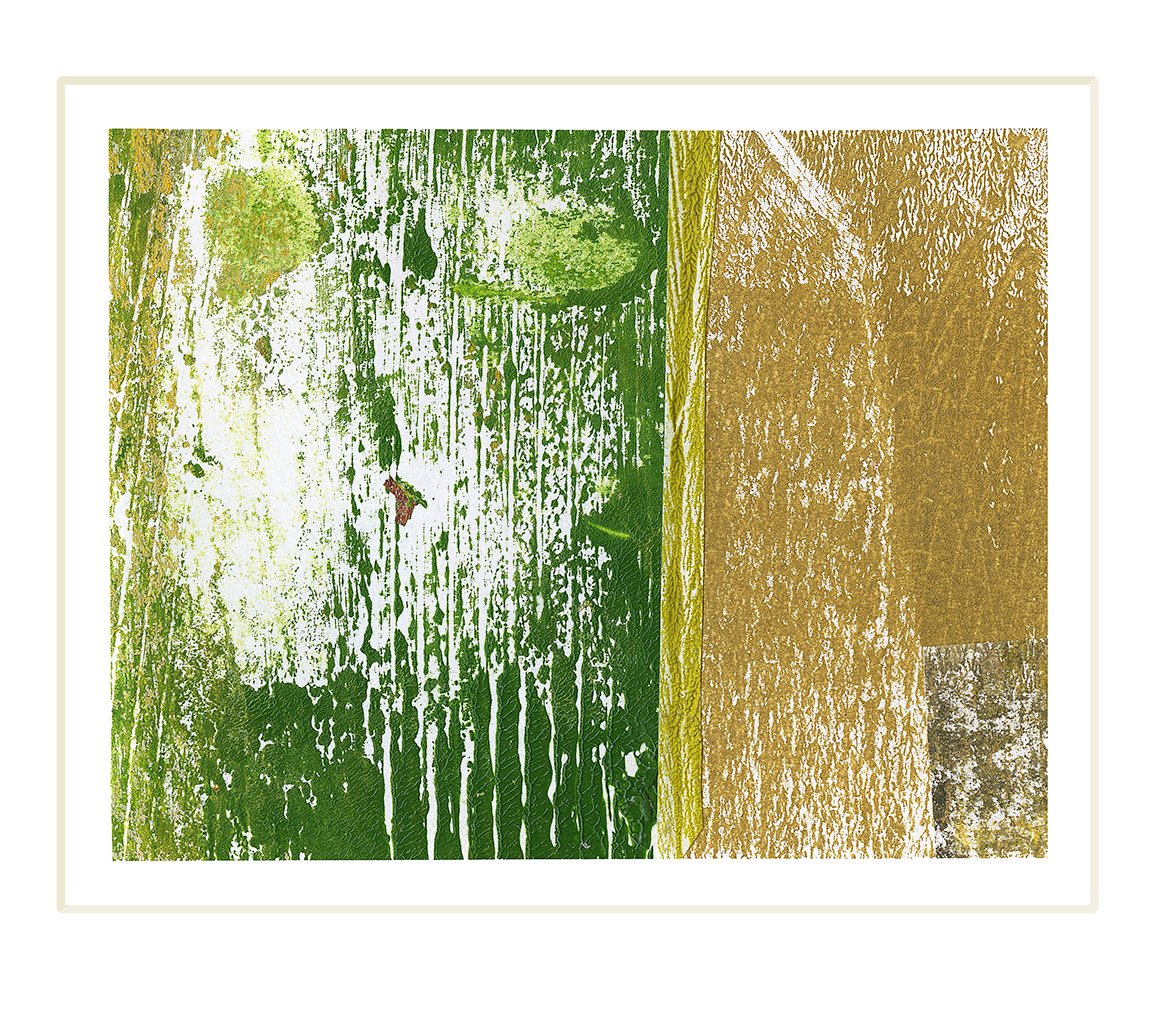
A medium-sized collage done during my stay this summer in Benicia, California. This is Untitled Collage No. 253 (Benicia). June 19, 2022. Acrylic on paper, acrylic monotype, collage. Image size 16.9 x 13.9cm (6.7 x 7.5 inches). Matted to 14 x 11 inches. Signed on the mat. Signed and dated on the reverse.
Wednesday, October 26, 2022
Art I'm Making: Untitled Collage No. 251 (Benicia)
A fairly recent collage—this one from my summer stay in Benicia, California. This is Untitled Collage No. 251 (Benicia). June 9, 2022. Acrylic on paper, acrylic monotype, found paper (fragments from Carol Dalton), collage. Image size 21.7 x 21.6cm (8.5 x 8.5 inches). Matted to 16 x 20 inches. Signed on the mat. Signed and dated on the reverse.
Click on the image for a larger view. For more of my abstract monotype collages, visit my website at http://ctalcroft.wix.com/collage-site/
Sunday, October 23, 2022
Wines I'm Drinking: Ranting about Decanting
Of all things related to the enjoyment of fine wine, I’d say that decanting is the most misunderstood. I find myself thinking about decanting wine today because of a recent disappointment at a local Italian restaurant with a server that ought to have known what to do when presented with a 25-year-old wine – a 1997 Chianti Classico I brought to a family meal celebrating my mother’s 92nd birthday – but didn’t.
There are three reasons to decant wine. First, I sometimes decant simply because wine – whether red, white, or pink – looks pretty in a piece of quality glassware. The motivation here is purely aesthetic, having nothing to do with the age or condition of the wine.
Second, a very young wine that has the potential to age will often show better if given some air before it’s consumed. This is the situation most people think of when the subject of decanting comes up. “Let the wine breathe,” we say. Decanters are mostly designed so that a full 750ml bottle of wine will fill the container to its widest point, the object being to greatly expand the surface area of the wine, optimizing exposure of the liquid to oxygen. The act of pouring the wine into the decanter also exposes the wine to air. The result of decanting is thus to expose the wine to considerably more air than it would receive if served from its own bottle.
In this second case, the idea is to artificially age the wine a little bit – although decanting a young wine, while it often makes some difference, can only do so much; an age-worthy wine will benefit most from time in bottle before it’s consumed. The process really can’t be accelerated very much.
It’s important to note here that a young wine generally has not thrown a deposit of any kind (see below). Therefore, how it’s handled before and during decanting is often not critical. Note also that “letting a wine breath” is entirely pointless if the wine in question isn’t the sort that benefits from ageing. There’s no need to decant a light rosé, for example (but see the first reason above).
The third and most important reason to decant a wine is to separate an old wine from any deposit that may have formed in the bottle during ageing. Natural wine is a living thing. As fine wine ages, various chemical reactions occur in the bottle that are responsible for the remarkable evolution that can occur that turns a tight, astringent, woody youngster into a soft, silky, delicately fruity wonder.
I don’t understand the chemistry entirely, but, if my understanding is correct, as a young wine develops, suspended short-chain tannins and acids start to combine, forming longer chains, reducing the surface area of the tannins, making them taste less astringent; as a result, the wine becomes rounder and softer. These reactions are slow oxidation reactions. At a certain point, the heavier long-chain tannins start to drop out of the wine in the form of sediment that accumulates at the bottom of the bottle. Depending on the wine and how long it’s been ageing, the deposit may stick to the glass, but often it is fine, silty, and easily disturbed – clouding the wine and making it bitter if stirred up. It may take anywhere from half an hour to a day or so for this sediment to resettle once disturbed. Wines are always properly stored on their side, label up, so that, when decanting, you know exactly where the deposit is if a deposit has formed.
For that reason, if you’re taking an aged wine to a restaurant, it’s important to handle it as gingerly as possible on the way (ideally you’d take it the day before you plan to dine to let any sediment settle again before it’s decanted) and likewise to see that it’s handled very gingerly during the decanting process.
At any serious restaurant, it should be possible to walk in with an old bottle (held sideways, label up – a wine that’s been coddled on the way over in the car, agitated as little as possible) and ask for it to be decanted. That request, as a matter of course, should produce a decanter (naturally – although I’ve been surprised by restaurants with pretensions to fine dining that don’t own a decanter), a decanting basket (which holds the wine still on its side but with the neck slightly elevated to facilitate removal of the cork), and a light source.
Traditionally, the light source is a candle, but I have to admit that a small flashlight makes the job much easier. The light – whatever used – placed below the neck of the bottle allows you to see the sediment through the wine as it‘s poured from the bottle into the decanter, the bottle having been picked up carefully from the decanting basket and held sideways as the wine is poured out. The trick is to look through the wine as you pour, keeping an eye on the sediment as the wine passes over it into the decanter. Done properly, nearly all of the clear wine makes it into the decanter, most of the sediment remains in the original bottle.
Once transferred, the decanter can be handled with no further fuss. You can turn the decanter on its side as you fill glasses, set it upright again, and then pour more wine – each glass as clear and free of sediment as the next. The goal here has been to separate clear wine from the sediment in an old wine.
If you’re still with me, there’s one further, very important point to make: old wine does not need to breathe. Very old wine can lose its vibrancy remarkably quickly after it’s been opened and decanted. Further exposure to air starts to risk rapid oxidation of a wine that’s already had the benefit of many years of slow, controlled, in-bottle oxidation. Old wine that’s just been decanted should be enjoyed immediately.
So, imagine my disappointment at our recent family celebration, when our waitress – having been informed that we brought an old bottle that would need to be decanted – fetched a decanter, said something about letting the wine breathe (!) grasped the bottle by the neck, turned it sharply upright, whipped out her wine opener, and proceeded as if opening a cheap Chardonnay bottled last year, twisting the bottle rather than the corkscrew, and then pouring the wine unceremoniously into the decanter – along with all the sediment it contained.
Despite my disappointment, I said nothing. The damage was done. The wine wasn’t completely ruined, but, needless to say, it would have been better if it had been decanted properly.
The food was good. We will eat at this restaurant again. It’s a restaurant I enjoy, and because I like it, I won’t name it. That said, the next time we go, if a mature wine is involved, I’ll decant it at home, rinse out the bottle, return the wine to its original container, pop the cork back in and take it, ready to go, with no on-site decantation required. And maybe I’ll send a copy of this little essay to the management and suggest their servers could use a little training in why we decant wine (young and old) and how to go about it. I’m acutely aware that many people in the world have far more urgent and critical things to worry about. I feel deeply privileged just to live in a place where no one is lobbing artillery shells at me, but, if I’m going to drink old wine, I’d like to do it right.
Sunday, October 16, 2022
Wines I'm Making: 2022 Cabernet Pressed
Yesterday (October 15) I pressed our 2022 wine – Cabernet Sauvignon/Cabernet Franc and Sangiovese together for the first time in the 19 years I've been making wine from our backyard vineyard. Because there was so much damage to the Sangiovese this time from the September heat wave that hit us, making rosé (as we usually do from the Sangiovese) didn't make much sense; there wasn't enough fruit. After a 15-day fermentation, we ended up with just under 11 gallons of new wine from the blend of grapes, and that will yield about 10 gallons of finished wine (50 bottles). For various reasons, I was unable to get the yeast I usually use and ended up using the Prise de Mousse strain, which is designed for white wine and rosé fermentations, so a lot in 2022 will be unusual. The wine is likely to be somewhat different from what we usually make, but we won't know for about a year, when the wine is ready to bottle.
Sunday, October 9, 2022
Wines I'm Making: Harvest 2022
2022 was a difficult year for winemaking for us for a number of reasons. The main problem was that harvest coincided this year with the Sonoma County Art Trails open studio event I participate in, and there was a Santa Rosa Symphony concert on the weekend of harvest (also the second weekend of Art Trails, October 1 & 2; I do the backstage photography for the Symphony). There was a severe, week-long heat wave (with temperatures reaching 118º in Santa Rosa at the peak in September). We even had hail early in the year, although that caused little harm.
The result of all this was that there was a lot of damaged fruit this year (the Sangiovese, in particular, suffers from the heat and drought) and I was pressed for time during the initial stages of the winemaking. We got so little Sangiovese that for the first time in many years we will make no rosé this year. There were many split berries and these were being visited by swarms of honeybees and yellow jackets.
Art I'm Making: Untitled Collage No. 245 (Santa Rosa) and Untitled Collage No. 246 (Santa Rosa)
I seem to have skipped a couple of collages when posting them to the blog here. These are:
Music I'm istening To: Awadagin Pratt with the Santa Rosa Symphony
The Santa Rosa Symphony kicked off its 2022-2023 season with a program of Beethoven (The Creatures of Prometheus), Mozart (Piano Concerto No. 23), a newer work by composer-in-residence Angélica Négron, and the Symphonie Fantastique, by Berlioz. Awadagin Pratt was the soloist in the Mozart.
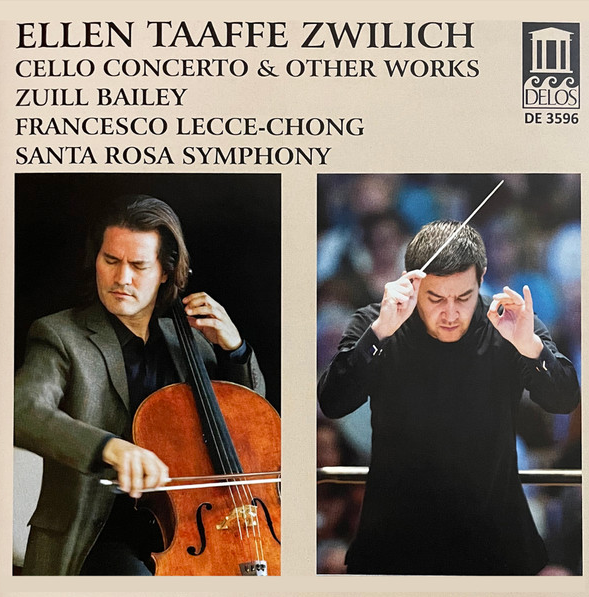
I'm doing the backstage photography for the Symphony again this year, so, as usual, I didn't get to hear everything from the perspective of the audience, but I enjoyed what I did hear and I very much enjoy recording what's going on behind the scenes, so it's a compromise I can live with. In other news, the Symphony has just released its first CD on a major label (Delos), a collection of works by Ellen Taaffe Zwillich, including the world premiere recording of her Cello Concerto, with Zuill Bailey as the soloist. It's a wonderful disc – interesting music, nicely performed, nicely recorded. Recommended. It's "Ellen Taafe Zwilich: Cello Concerto and Other Works" Delos DE 3596. I had a small part in its creation. In the booklet, they used a photograph of soloist Joseph Edelberg by me.
Wednesday, September 21, 2022
Art I'm Making: 18th Annual Wabi Sabi show at O'Hanlon Center for the Arts
Rain: September Rain (18-19 September 2022)
We had substantial rain on the night of 18-19 September. While light showers are not uncommon in September here, a real downpour is unusual. This was a proper storm. I hadn't yet had my rain gauge set up at first, so I missed some of the early precipitation but later collected 0.55 inches. I'm guessing the total was around 0.75 inches. As always after the first rain after a long, dry summer, the plants have perked up--and people seem happier too. As the 2022-2023 rain year begins on 1 October, this will count in the 2021-2022 total, which now stands (at my location) at 25.5 inches.
Monday, September 19, 2022
Art I'm Making: Untitled Collage No. 248 (Santa Rosa)
Another small collage from earlier this year. This is Untitled Collage No. 248 (Santa Rosa). Acrylic on paper, acrylic monotype, collage. Image size 11.8 x 8.7cm (4.7 x 3.4 inches). Signed on the mat. Signed and dated on the reverse. Click on the image for a larger view. For more of my abstract monotype collage, visit my website at http://ctalcroft.wix.com/collage-site/
To see some of my work in person, visit my studio during the 2022 Sonoma County Art Trails juried open studios event, September 24 & 25 and October 1 & 2. 10:00AM to 5:00PM on all four days. This year, I'll be Studio 94.
Saturday, September 17, 2022
Art I'm Making: Untitled Collage No. 247 (Santa Rosa)
For more of my abstract monotype collage, visit my website at http://ctalcroft.wix.com/collage-site/ To see some of my work in person, visit my studio during the 2022 Sonoma County Art Trails juried open studios event, September 24 & 25 and October 1 & 2. 10:00AM to 5:00PM on all four days. This year, I'll be STUDIO 94.
For more information, visit the Sebastopol Center for the Arts website. Sebastopol Center for the Arts, 282 S. High St., Sebastopol, CA 95472 (707) 829-4797
Wednesday, September 7, 2022
Art I’m Looking at: The Long View: California Women of Abstract Expressionism 1945-1965, at Modern Art West, Sonoma
I write about the art I see in Santa Rosa and elsewhere in the Bay Area mostly because it helps me to digest what I’ve seen, because it gives me something to go back to when I want to remember what I saw, where I saw it, and when I saw it, and also because it allows me in some small way to help promote what seems good art to me that friends and others reading my comments might want to see, but rarely do I start from such a place of ignorance as the place from which I write here about the show on now at Modern Art West in Sonoma (521 Broadway, Sonoma, CA 95476, (707) 210-5275, by appointment only*). I had never heard of the place until last weekend when I stumbled upon a mention of Modern Art West on Hyperallergic. The gallery appears to have opened just before the pandemic hit and my visit on Monday (5 September) was the first time I’ve been to the town of Sonoma in about three years. Modern Art West sprang up during that absence. The gallery is owned and operated by Mr. David Keaton.
| Untitled (1949), Zoe Longfield |
I freely admit that my ignorance doesn’t mean everyone else is equally ignorant, but I’d be willing to bet most of these names are, in fact, comparatively obscure to even comparatively well-read art lovers. Why the neglect? I imagine the standard arguments apply. Media coverage, gallery representation, access to collectors, and museum shows were always more available to male artists than female artists. Women in the 1940s to 1960s in the US had to commit to what was considered an unconventional lifestyle in order to concentrate on making art. Blurbs at the show also point out that media attention on Abstract Expressionism then (and even now) was very much aimed at the East Coast—at New York City—not at the West Coast.
It’s a shame, because there is some very fine work to see here. The gallery’s website has a link to an essay about the show that gives an overview, links to artist biographies, and a link to the Hyperallergic article I found on line, so I won’t attempt to duplicate what’s available there, but I do want to note some of my favorite pieces in the show, which, I should say, is very tastefully presented.
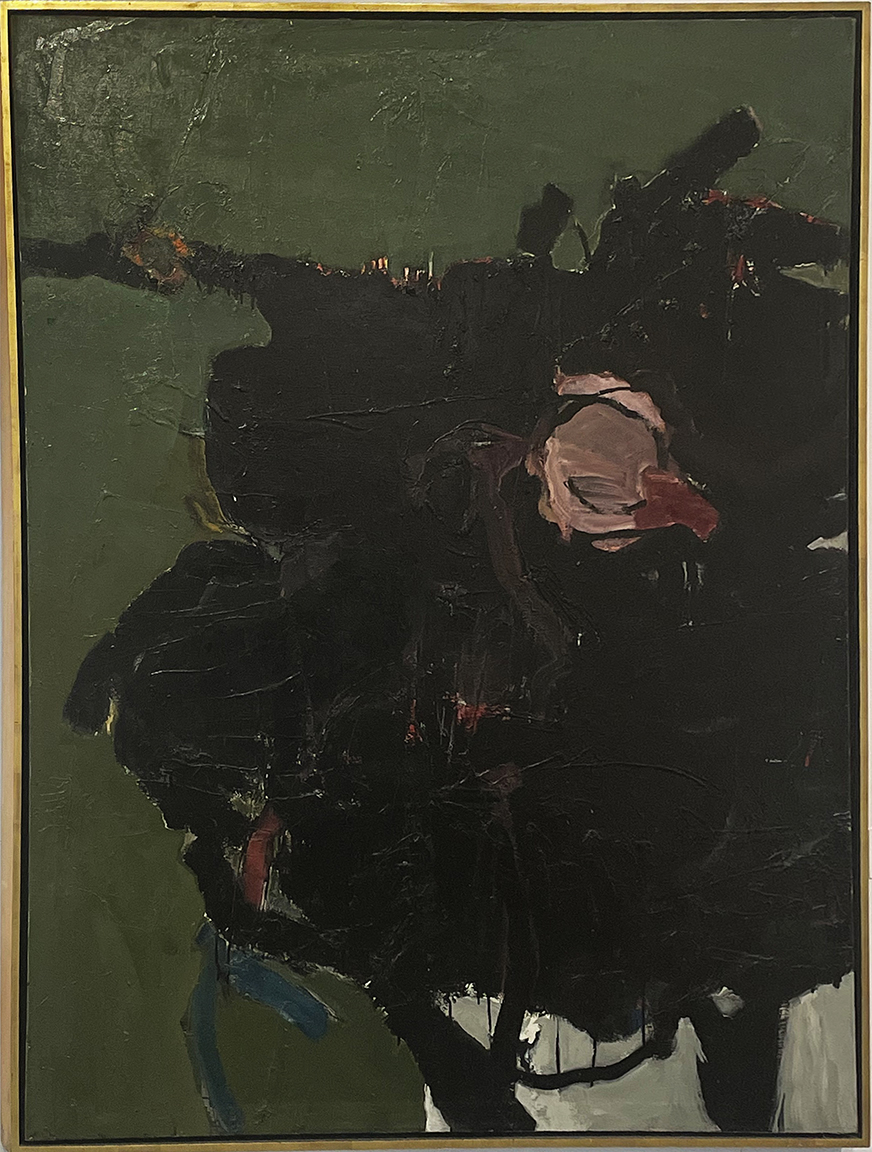
Zoe Longfield's Untitled (above), from 1949, immediately caught my eye. It's use of pale blue and ochre immediately put me in mind of some of Richard Diebenkorn's work of around the same time or a little later, but I was also reminded of some of the early work of Mark Rothko before he settled into the large colored-lozenge paintings he's best known for. It's natural to see affinities, but this painting stands very well on its own.
| Zoe Longfield Untitled, Biomorphic Abstraction (1948) |
| Lenore Vogt Bird (1961) |
| Nell Sinton Dark Landscape (1958) |
I aim to look into these and other artists in the show further (I'm awaiting the arrival of a copy of Women of Abstract Expressionism, edited by Joan Marter, which appears to be an excellent reference work on the subject of women in Abstract Expressionism). I’m very pleased to have found Modern Art West. It’s a welcome addition to the area. I look forward to seeing future shows there. I’m tempted to say this and Calabi Gallery in Santa Rosa are now the two most interesting galleries in the county. I highly recommend both (and The Red Brown Collection in Bodega Bay and Hammerfriar Gallery, in Healdsburg!).
*You can send an e-mail to Mr. Keaton to schedule a visit. However, the show runs only through the end of this week, until September 11. The next show at Modern Art West will be INDICATORS: Nature in Flux, a solo exhibition of work by Peter Hassen (September – November 2022).
Tuesday, September 6, 2022
Miscellaneous: Disappointment
Monday, September 5, 2022
Miscellaneous: Farmer's market season--and intense heat
It's that farmer's market time of year--although I'm glad I'm not out at a farmer's market today. The official high hit 113º in Santa Rosa, and it was probably even hotter in some nearby areas.
Wednesday, August 31, 2022
Art I'm Making: Art Trails 2022
Art Trails, Sonoma County's premier juried open studios event, is approaching. More than 120 local artists, including me, will be opening their studios to the public over two upcoming weekends for the 2022 event. Studios will be open from 10:00AM to 5:00PM on September 24 and 25 and then again on October 1 and 2. If you're in the area, come by and see new work and see how I make the abstract monotype-based collages that are now my main artistic activity. This year, I'll be Studio 94. I look forward to making new friends and seeing old friends as well. Monotyping demonstrations on demand throughout the day.
To preview some of my work, visit my website at: http://ctalcroft.wix.com/collage-site/
Art I'm Making: Untitled Collage No. 244 (Santa Rosa)
This one is small and simple, but I think it has presence. It repays attention. Click on the image for a larger view.
For more of my abstract monotype collage work, visit my website, at https://ctalcroft.wixsite.com/collage-site.
Monday, August 29, 2022
Books I'm Reading: Moby Dick
It was 34 years ago that I first read Melville's Moby Dick. I was 28 at the time and I enjoyed it immensely. I was grateful then (and still now) that no one had forced me to read it in high school--that no one had ruined it for me. When I read it, I wanted to read it, and I went on to read most of Melville's other seafaring tales, among them Billy Budd, Omoo, and Typee. I've just finished reading Moby Dick for the second time.
I remembered quite a lot about it. In some places I remembered the text in considerable detail, while some parts I had virtually no memory of at all.
The book is sprawling and choppy and unfocused, but that's part of its charm, I suppose--if you have the patience to take it as it comes. There are numerous chapters that make no contribution to plot advancement at all--chapters designed to explain the practical aspects of whale hunting and the economics of whaling with a view to allowing the reader to understand the details of action in chapters ahead, for example, or short, descriptive chapters that simply describe downtime for a sailor on a Nantucket whaler in the 1850s (and among these are some of the most beautiful passages in the book), and even some chapters that seem entirely unrelated to the story (for example, a early pub scene in which the narrator, Ishmael, relates a yarn about another voyage altogether).
I'd forgotten how funny Moby Dick is in places and also how little of the book involves the white whale of the title. There are 136 chapters in all, including the epilogue. The edition I read (Collins Classics, 2021) is 589 pages long. Moby Dick, the whale, doesn't appear until page 561, in Chapter 133. Once he does appear, the action is fast and furious, though. The world collapses around Captian Ahab, his ship, the Pequod, and Ishmael virtually all at once, underscoring (like so much else in the book) the fragility and incomprehensibility of life. Only Ishmael survives the final disaster, eventually rescued by another ship, hanging on to a wooden float fashioned from what had originally been a coffin.
Sunday, August 28, 2022
Words I'm Writing: Sunday Morning
Sunday Morning
Sunday morning
Toaster-oven
Beeps thrice quick
My toast done
The microwave beeps once, at intervals, separated,
No hurry, reminding, faithfully, that...
Coffee milk
Is warm
Coffee maker beeps, beeps, beeps--
Beeps five times in all
At a measured pace
Morning coffee brewed
Breakfast
Announced
Electronically
Sunday
Morning
Monday, August 15, 2022
Beekeeping: Harvested honey for the first time in many years
Yesterday, I finally got around to opening our backyard beehive for the first time in about three years. The hive was chock full of honey, so I decided to harvest one shallow super (a super is a stackable box of comb on removable frames; generally, deep supers are used as brood chambers, shallow supers for honey storage. Each super has 10 frames in a standard hive). I got about 29lbs of honey and there are two more supers still on the hive, just as full. Twenty-nine pounds of honey will last us for years, though, so I may or may not harvest another super when I have time.
This was the first time I've taken honey from the hive since 2013. The long pause in harvesting was partly because of losing the colony three times in the past ten years or so, but also because we had so much honey it took us that long to use it up. The honey this time is very dark in color, but it tastes pretty much the same as honey harvested in the past that was considerably paler.
Sunday, August 14, 2022
Art I'm Making: Untitled Collage No. 243 (Santa Rosa)
This was the second collage I did in 2022. It wasn't until March of this year that I finished anything that I thought worth keeping, but I'm pleased with this one. This is Untitled Collage No. 243 (Santa Rosa). March 23, 2022. Acrylic on paper, acrylic monotype, found paper, collage. Image size: 24.6 x 30.6cm (9.7 x 12.1 inches). Matted to 16 x 20 inches. Signed on the mat. Signed and dated on the reverse.
Saturday, August 13, 2022
Food I'm Eating: First garden tomatoes of the season
We're getting our first home-grown tomatoes of the season this week. So far, Better Boy and Black Krim with Green Zebra and unknown varieties we've kept going from seed over the years on deck.
Wednesday, August 10, 2022
Food I'm Eating: Zucchini
It's that time of year--when you remember that even one or two zucchini plants would have been enough to supply yourselves and several neighbors with squash for the summer. You planted six seeds. You meant to thin them out after they sprouted, but they looked so green and vigorous when they came up that you couldn't bear to pluck even one and ended up transplanting the extras and now the zucchini come in waves, one after another, like a parade of tropical storms. Picking them young and small helps, but somehow a few always get missed and one morning you find one the size of your arm. One afternoon, under a low leaf, you uncover a zucchini that's been swelling there silently for weeks and now looks like a green zeppelin....
The trick really is to pick them small. That's when they are at their tastiest and picking them small, you don't end up with so much fruit that you become sick of seeing it.
Another important tool for summer zucchini disposal is good recipes. I first encountered this simple dish at the Moose Café (now defunct) in Mendocino. It's now a regular in my household.
Try slicing raw Zucchini very, very thin and sprinkling the slices with grated Gorgonzola, crushed walnuts, and black pepper before drizzling them with a high-quality olive oil. Makes a quick, easy, delicious summer salad. And it uses up zucchini--at least a little bit of zucchini.
Tuesday, August 2, 2022
Art I'm Making: Last work of 2021
Places I'm Visiting: A Sojourn in Benicia
Yesterday I ended a two-month sabbatical of sorts from everyday life. I stayed at the studio/home of artist friend Mark Eanes for the entirety of June and July while he was away traveling. The space is in Benicia, overlooking the Carquinez Strait, offering a view of the oil tankers, bulk carriers, and car carriers coming in from all over the world to load and unload oil, grain, and cars--especially cars.
Friday, July 15, 2022
Serendipitous art: Overpainted graffiti
Graffiti and over-painted graffiti on a concrete wall looked like art to me--unintended art. This was near the entrance to the tunnel that runs from John F. Kennedy Drive behind the De Young Museum in San Francisco into the plaza area between the Academy of Sciences and the De Young. Given the proximity of the latter, I wonder if this wasn't to some extent intentional, but it appears to be random. We'll never know. In any case, it arrested my attention.
For more serendipitous art, see my Serendipitous Art blog at serendipitousart.blogspot.com
Sunday, July 10, 2022
Places I'm Visiting: Palo Alto Clay and Glass Festival (2022)
Yesterday, for the first time in many, many years, I went to the big clay and glass show they do in Palo Alto every year. I ran into the Nichibei Pottery team and potter Bill Geisinger, both down from Sonoma County. I came away with a souvenir—this spiral-decorated turquoise bowl—which I've decorated with Meyer lemons, for the time being.
Art I'm Looking at: Asawa "Life Vessels" at The Anderson Collection, Palo Alto
After visiting the Cantor Arts Center yesterday, I went next door to see the adjacent Anderson Collection (both on the Stanford Campus, in Palo Alto). Among the various exhibits was a small one consisting of mask-like ceramic faces made by Ruth Asawa. Along with these, three large ceramic vessels were on display made by Asawa's son, Paul Lanier, an accomplished potter who studied with Bauhaus-trained Marguerite Wildenhaim (of Pond Farm fame). At Asawa's request, Lanier mixed her ashes after her death and cremation with clay and also with the ashes of her husband, who pre-deceased her, and threw and fired three pots using the clay–ash mixture. The finished vessels were given to their children. I think this is a wonderful idea--perhaps a better thing to do with ashes from a cremation than scattering them somewhere to be lost forever.


%20borderless%20M.jpg)
%20Borderless%20S2.jpg)

%20smallcmt.jpg)
%20smallcmt.jpg)


%20M.jpg)
%20M2.jpg)
%20borderless%20M2.jpg)


%20Borderless%20M.jpg)


%20Borderless%20S.jpg)